What Buyers Should Know About Mortgage Insurance
Jun 12, 2026
Paradise Coast Mortgage
Mortgage insurance is one of those terms that buyers encounter early in the loan process without always getting a clear explanation of what it actually does or why it applies to their situation. It is not the same as homeowners insurance, it does not protect the buyer, and in many cases it adds a meaningful cost to the monthly payment that buyers should factor into their budget before they start searching.
What Mortgage Insurance Is and Who It Protects
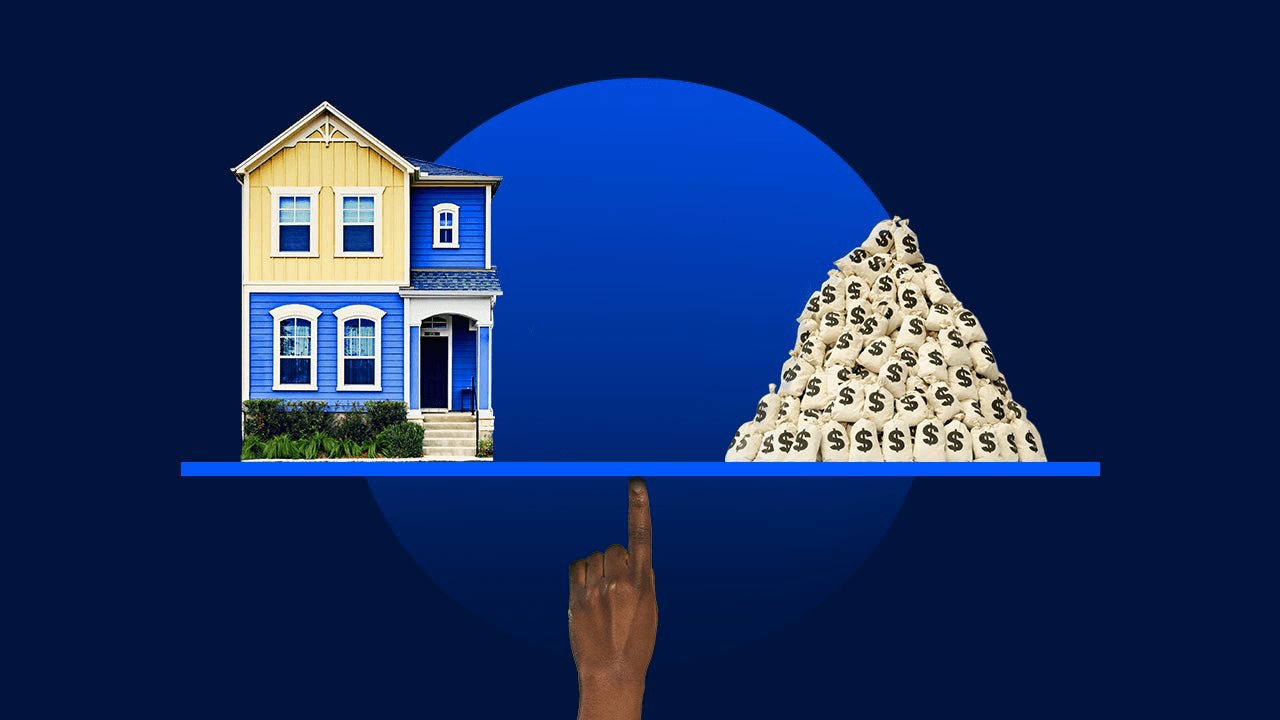
Mortgage insurance protects the lender, not the borrower. When a buyer puts down less than twenty percent of the purchase price, the lender is taking on additional risk because there is less equity in the property as a buffer against default. Mortgage insurance is the mechanism lenders use to offset that risk. If a borrower defaults and the lender suffers a loss, the mortgage insurance covers a portion of it.
The cost is passed to the borrower either as a monthly premium added to the mortgage payment, an upfront fee rolled into the loan, or both, depending on the loan type.
When It Applies
For conventional loans, private mortgage insurance, commonly called PMI, applies when the down payment is less than twenty percent of the purchase price. PMI rates vary based on factors including the loan amount, down payment size, and credit profile, but they typically add between 0.5 and 1.5 percent of the loan amount annually to the total cost of borrowing.
For FHA loans, mortgage insurance works differently. There is an upfront mortgage insurance premium paid at closing, currently 1.75 percent of the loan amount, as well as an annual premium that is paid monthly for the life of the loan in most cases. This is one of the key trade-offs of FHA financing relative to conventional loans.
How to Get Rid of It
For conventional loans with PMI, the insurance can be removed once the loan balance drops to eighty percent of the home's original value, either through payments over time or through appreciation that is confirmed by a new appraisal. Lenders are legally required to cancel PMI automatically when the balance reaches seventy-eight percent based on the original amortization schedule.
For FHA loans originated with a down payment below ten percent, the annual mortgage insurance premium currently applies for the life of the loan. Buyers who want to remove it typically need to refinance into a conventional loan once they have sufficient equity.
How to Plan for It
The most straightforward approach is to factor mortgage insurance into your total monthly payment estimate from the beginning rather than discovering it as a separate line item after you are already in love with a property. At Paradise Coast Mortgage, we include it in every payment estimate we provide so buyers have a complete and accurate picture before they start searching.